
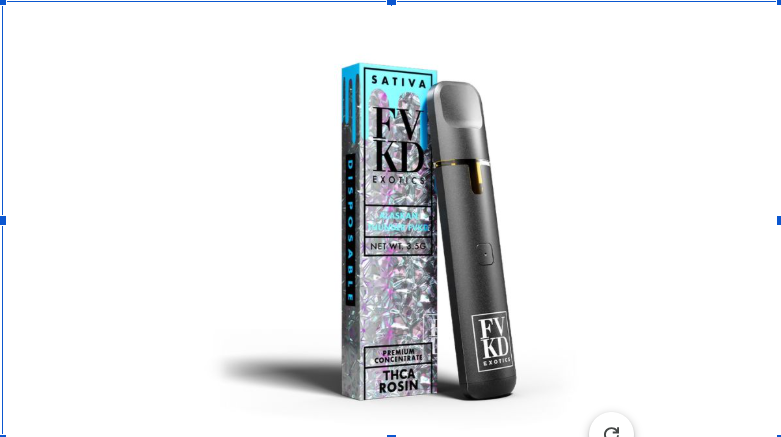

Different cannabis formats can have very different identities, even when they share familiar terminology. Shape, composition, texture, flavor, and presentation can all influence how a product is described and perceived. This is particularly relevant when comparing traditional hash with newer formats built around multiple components. Rather than focusing on one characteristic, it helps to look at how the structure of each format contributes to its overall identity. For adults interested in product terminology, this comparison provides useful context for understanding what makes contemporary formats distinct.
Hash Is a Broad Category
What Does Hash Refer To?
Hash is a concentrated cannabis product generally associated with compressed or collected resin. Traditional forms can vary considerably in appearance, texture, consistency, and production style. That means “hash” does not describe one uniform product. Different types can have different physical characteristics and flavor profiles depending on how they are produced and presented. This broader context is useful when considering FVKD diamond infused hash holes. The terminology points toward a more specific format within the wider world of concentrated products rather than simply referring to conventional hash.
Traditional Formats Can Vary
Regular hash may be presented in different textures and consistencies. Some varieties can appear dense and compact, while others may have a softer or more pliable character. The differences can influence how the product is described and handled. However, the term itself remains relatively broad. Contemporary formats often use more specific terminology to communicate their structure. This allows adults to distinguish between products that may fall under a similar overall category but have noticeably different compositions.
What Makes an Infused Format Different?
More Than a Change in Shape
The distinction between traditional hash and an infused format is not simply visual. An infused product can involve multiple components brought together within one structure. This is an important part of understanding fvkd diamond infused hash holes. The name itself communicates that the format is built around a particular combination rather than representing a straightforward traditional hash presentation.
The result is a product identity that can be discussed through several characteristics:
- Structure: The product can have a defined internal composition.
- Concentration: Specific components contribute to the overall product character.
- Flavor: Different elements can influence the resulting profile.
- Texture: Multiple components can affect how the finished format is perceived.
- Presentation: The format gives the product a recognisable identity.
These characteristics help distinguish an infused format from a more conventional hash product.
Why the Internal Composition Matters
When a product contains multiple elements, each component can contribute something different. One may influence the aroma, another may affect flavor, and another may shape the physical structure. This creates a more layered product identity than simply changing the exterior appearance. For adults comparing product descriptions, understanding this distinction makes terminology easier to interpret. The format tells part of the story, while the composition provides additional context.
Where Alaskan Thunder Fits Into the Picture
A Distinctive Product Identity
Flavor and naming can make a specific product easier to distinguish within a broader category. alaskan thunder FVKD is an example of a name that creates a strong identity before the individual characteristics are considered. The terminology suggests something bold and memorable, making it easier to separate from more generic descriptions. When a distinctive name is associated with a particular format, the product becomes identifiable through more than one element. The name communicates character, while the format communicates structure.
Flavor Can Add Another Dimension
Flavor is another important part of product differentiation. A profile can lean toward sweet, earthy, fruity, creamy, aromatic, or combinations of several directions. An infused format may therefore be discussed not only in terms of how it is constructed but also in terms of the flavor identity associated with the particular option. This creates a more complete picture for adults who want to understand product descriptions without treating all hash formats as interchangeable.
Traditional Hash Versus Infused Formats
A simple comparison can make the terminology easier to understand.
| Characteristic | Traditional Hash | Infused Format |
| Basic identity | Broad hash category | More specific product construction |
| Composition | Primarily hash/resin material | Multiple defined components |
| Structure | Often compact or pliable | Can have a layered internal structure |
| Flavor identity | Varies by variety and production | Can reflect several contributing elements |
| Naming | Often category-focused | Frequently more specific and descriptive |
| Presentation | Traditional format | Contemporary, product-specific format |
The key difference is that traditional hash is a broad category, while an infused format communicates additional information about how the product is constructed.
Why Product Terminology Matters
Names Can Communicate Structure
Product terminology often provides clues about what makes one format different from another. Words such as “infused,” “diamond,” or “hole” are not merely decorative; together, they can describe aspects of the product’s construction and presentation. For example, fvkd diamond infused hash holes communicates considerably more information than simply calling something hash. It identifies a particular style and suggests that several components contribute to the finished format. This can make product descriptions easier to navigate, especially when adults are comparing several categories.
Distinctive Names Improve Recognition
A memorable product name can also help adults remember a particular option. alaskan thunder fvkd has a strong naming structure that makes it immediately distinguishable from generic category terminology. That recognition can be particularly useful when a product range includes numerous formats and flavor identities. Rather than treating naming as separate from product design, it can be considered part of the overall presentation.
Looking at the Bigger Product Picture
The difference between traditional hash and a modern infused format comes down to more than appearance. Composition, structure, naming, flavor, and presentation can all contribute to how a product is positioned and understood. FVKD Exotics uses distinctive product concepts to create recognisable identities across different formats, giving adults more specific terminology to consider when comparing options. Understanding the language behind a product can make descriptions clearer and highlight why contemporary formats can have characteristics that set them apart from traditional categories.