
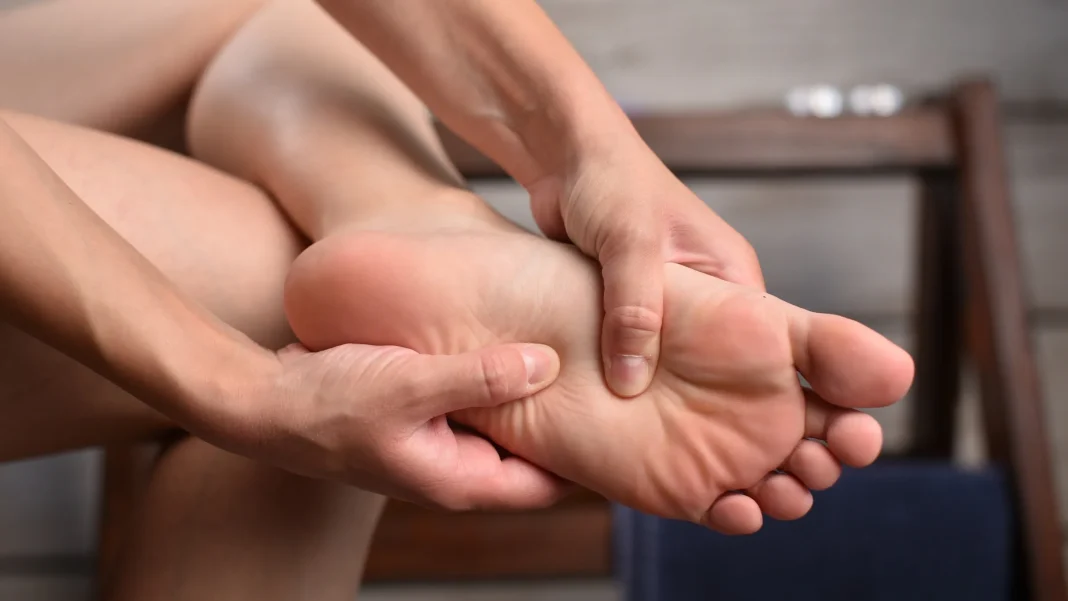

Sudden heel soreness can feel harmless at first, especially after long hours on hard flooring or intense activity. Lingering pain beneath the foot tells a very different story once daily movement becomes uncomfortable week after week. Understanding the difference between short-term strain and plantar fasciitis often helps people know when it may be time to visit a podiatrist in Decatur AL for further evaluation.
Pain That Fades or Pain That Stays
Temporary heel pain usually improves within several days once the foot gets enough rest and reduced pressure. Minor muscle fatigue, thin-soled shoes, or a mild bruise commonly trigger short episodes of soreness that disappear without major treatment. Simple recovery methods such as icing, stretching, and supportive footwear often calm these symptoms quickly.
Plantar fasciitis behaves differently because the irritation continues for weeks or even months without proper care. Repeated stress creates tiny tears within the plantar fascia tissue beneath the foot, leading to long-lasting inflammation and stiffness. Many patients visiting a Decatur podiatrist report pain that keeps returning despite resting for short periods.
Why Morning Steps Feel Sharp
Severe first-step pain after getting out of bed strongly points toward plantar fasciitis rather than temporary soreness. Overnight rest allows the irritated fascia tissue to tighten slightly, causing sharp pulling pain once body weight returns to the foot. Several people describe the sensation as stepping directly onto a nail near the heel.
Short-term heel strain usually does not create the same intense morning discomfort pattern. Mild fatigue may feel sore during movement, but the pain rarely spikes dramatically during the first few steps. Experienced plantar fasciitis doctor evaluations often focus heavily on these morning symptoms because they reveal how the tissue behaves after inactivity.
What Started the Pain?
Acute heel soreness frequently develops after unusual activity, hard impact, or standing longer than normal during work or exercise. Direct bruising beneath the heel pad may also create tenderness that fades once the irritated tissue heals. Temporary problems often have a clear beginning tied to one specific event.
Plantar fasciitis tends to develop gradually instead of appearing overnight. Repeated strain slowly damages the fascia over time through walking mechanics, tight calf muscles, worn shoes, or poor arch support. Reliable plantar fasciitis specialist care often includes identifying the daily habits contributing to ongoing tissue stress.
Activity Changes the Pain Differently
Temporary heel pain usually worsens the longer someone stays active because tired tissue continues absorbing pressure. Extended standing, running, or climbing stairs often increases soreness until the foot finally gets proper rest. Reduced movement commonly helps ease symptoms fairly quickly afterward.
Plantar fasciitis often responds differently once the foot warms up during movement. Early steps may feel sharp, yet mild activity sometimes loosens the fascia enough for the pain to decrease temporarily. Several patients visiting a podiatrist in Decatur AL become confused because the discomfort improves during activity before returning later in the day.
Where the Pain Appears Matters
Generalized soreness across the entire heel often points toward temporary strain, bruising, or muscle fatigue instead of chronic fascia damage. Broad discomfort may spread throughout the bottom of the foot depending on the source of irritation. Minor injuries also tend to feel tender in multiple locations rather than one exact point.
Plantar fasciitis pain usually concentrates near the inner portion of the heel where the fascia attaches to the bone. Precise tenderness in that area commonly signals ongoing inflammation beneath the arch. Skilled plantar fasciitis doctor assessments often involve locating the exact source of pain through direct pressure testing.
Rest Does Not Always Help Equally
Temporary strains generally improve quickly after resting the foot for several hours or days. Reduced pressure allows irritated muscles and bruised tissue to recover naturally without repeated stress. Simple recovery often restores normal walking patterns fairly fast.
Plantar fasciitis may stiffen further after long periods of sitting or inactivity. Standing up again after rest frequently triggers renewed pulling pain across the heel and arch. Several plantar fasciitis specialist treatment plans focus on controlled movement instead of total inactivity because complete rest sometimes increases stiffness.
Physical Signs Often Look Different
Visible swelling or bruising commonly appears after direct impact injuries affecting the heel. Surface discoloration may signal tissue trauma from jumping, falling, or repetitive pressure against hard surfaces. Temporary injuries usually show more obvious external signs during early healing stages.
Chronic plantar fasciitis often develops without noticeable swelling or visible skin changes. Hidden degeneration beneath the fascia tissue may continue progressing even while the foot appears normal from the outside. Trusted Decatur podiatrist evaluations sometimes identify long-term fascia irritation before major structural damage develops.
Long Term Movement Changes Can Follow
Untreated plantar fasciitis sometimes changes natural walking mechanics because people unconsciously shift weight away from painful areas. Altered movement patterns may place extra pressure on the knees, hips, lower back, and opposite foot over time. Lingering heel pain occasionally creates larger mobility problems beyond the original injury.
Temporary soreness rarely changes body mechanics long enough to affect overall alignment once the discomfort disappears. Persistent symptoms deserve closer attention because ongoing strain may continue damaging supportive foot structures. The Foot Clinic helps patients understand the difference between short-term heel pain and plantar fasciitis while offering treatment approaches designed to improve movement, reduce inflammation, and support healthier long-term foot function.